
- Think About COPD
- Exacerbation Consequences
- COPD Pathobiology
- Scientific Resources
Think About COPD
Is it time to think differently about COPD?

COPD remains a major healthcare burden and a leading cause of death in the United States1-5

Why don't we think about COPD Exacerbations the same way as heart attacks?

COPD is a complex and heterogeneous disease8
Partnering to Support Healthcare Providers
The AstraZeneca Medical Team is Committed to Supporting the Improvement of COPD Care

Explore our Resources

Connect with an MSL
Exacerbation Consequences

Disease Activity and Stability Are Now Recognized by the GOLD Report8
- NO exacerbations
- NO worsening of symptoms
- NO accelerated loss of lung function
COPD Exacerbations and Lung Function
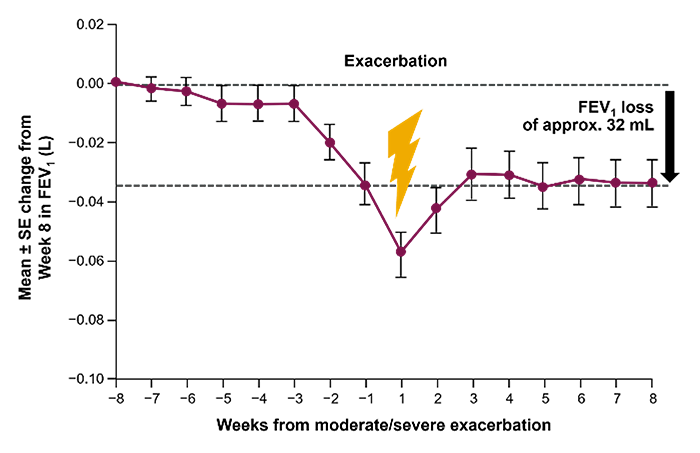
Exacerbations can irreversibly reduce lung function11,a
- Following an exacerbation, lung function may not recover to pre-exacerbation levels11
- In some patients, there was still a loss of lung function 8 weeks following an exacerbation11
Associations Between COPD Symptoms, Exacerbations, Cardiovascular Events, and Mortality
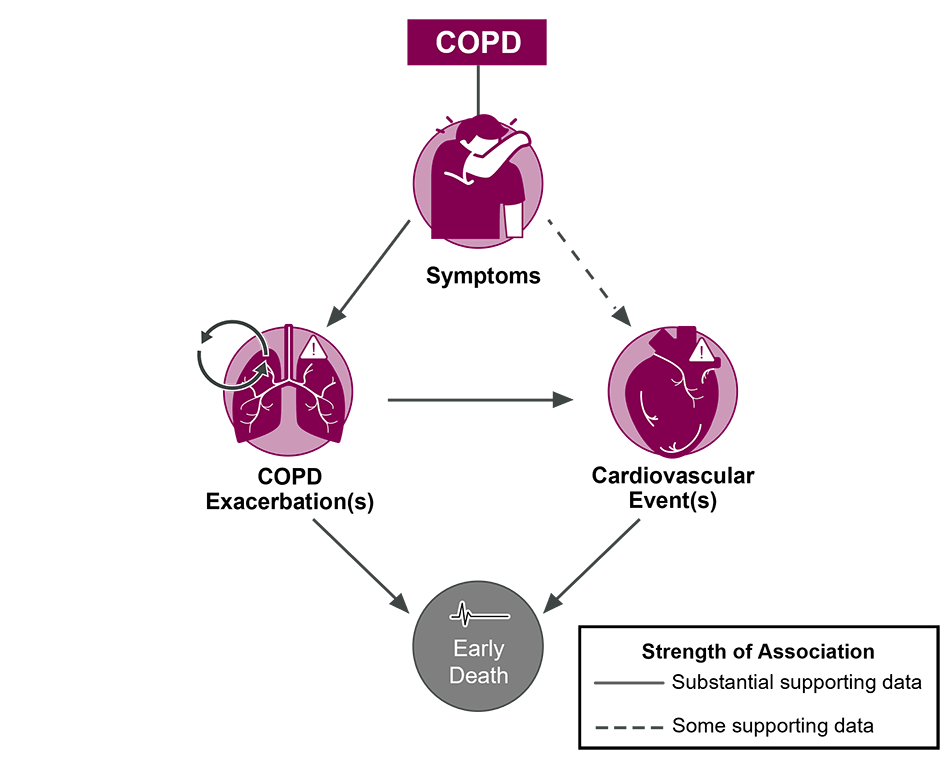
COPD Exacerbations can Lead to Cardiopulmonary Events, Including Premature Death12
Increasing symptoms have been associated with an increased risk of exacerbations13,14
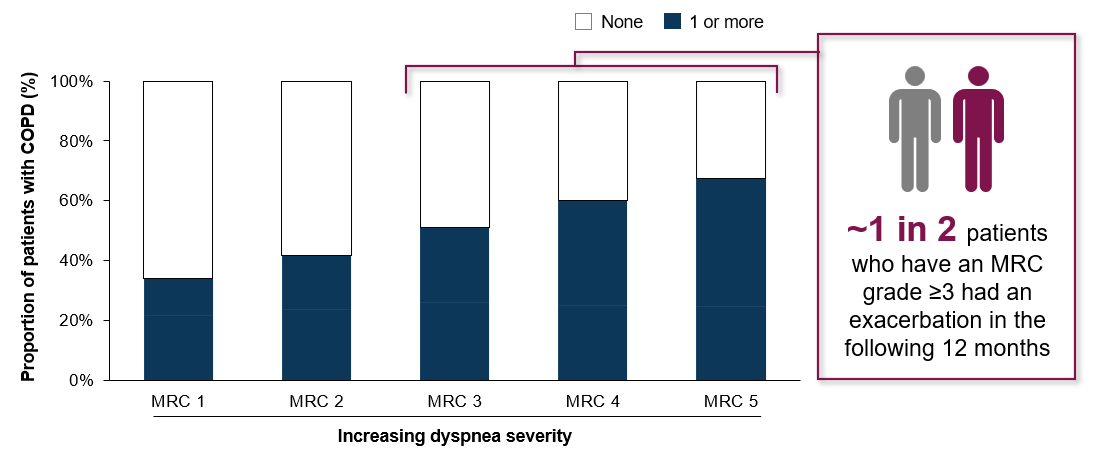
Moderate-to-severe exacerbation frequency during 12 months follow-up13,a
aRetrospective observational cohort study that evaluated risk factors associated with exacerbation frequency in 58,589 patients with COPD identified from primary care in the UK Clinical Practice Research Datalink.13
Exacerbation history can predict future events15
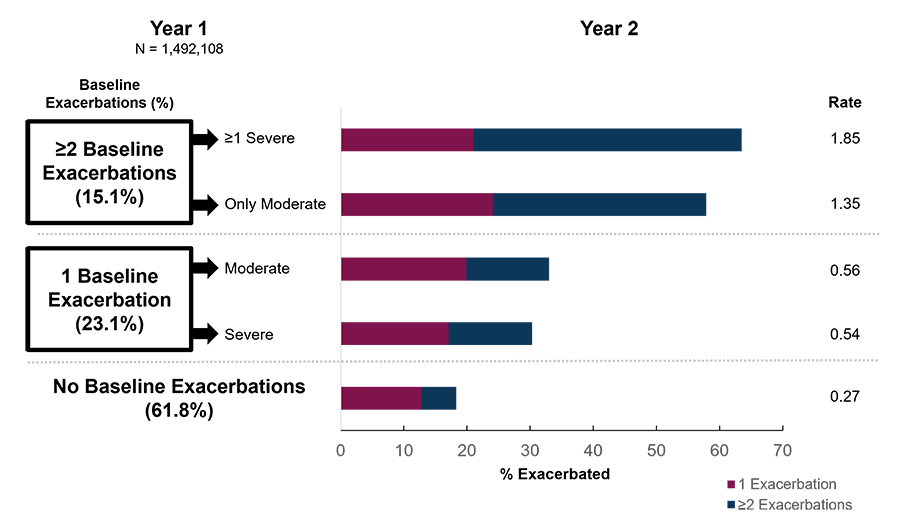
Baseline Exacerbations and Risks for Future Events15,a,b
aRetrospective cohort study of Medicare FFS claims data in ~1.5 million patients with COPD that quantified the type and frequency of COPD exacerbations over three years by prior exacerbation history.
bRate of moderate or severe exacerbations expressed as per patient-year.
Increased Risk of CV Events May Persist for Up to a Year After an Exacerbation16
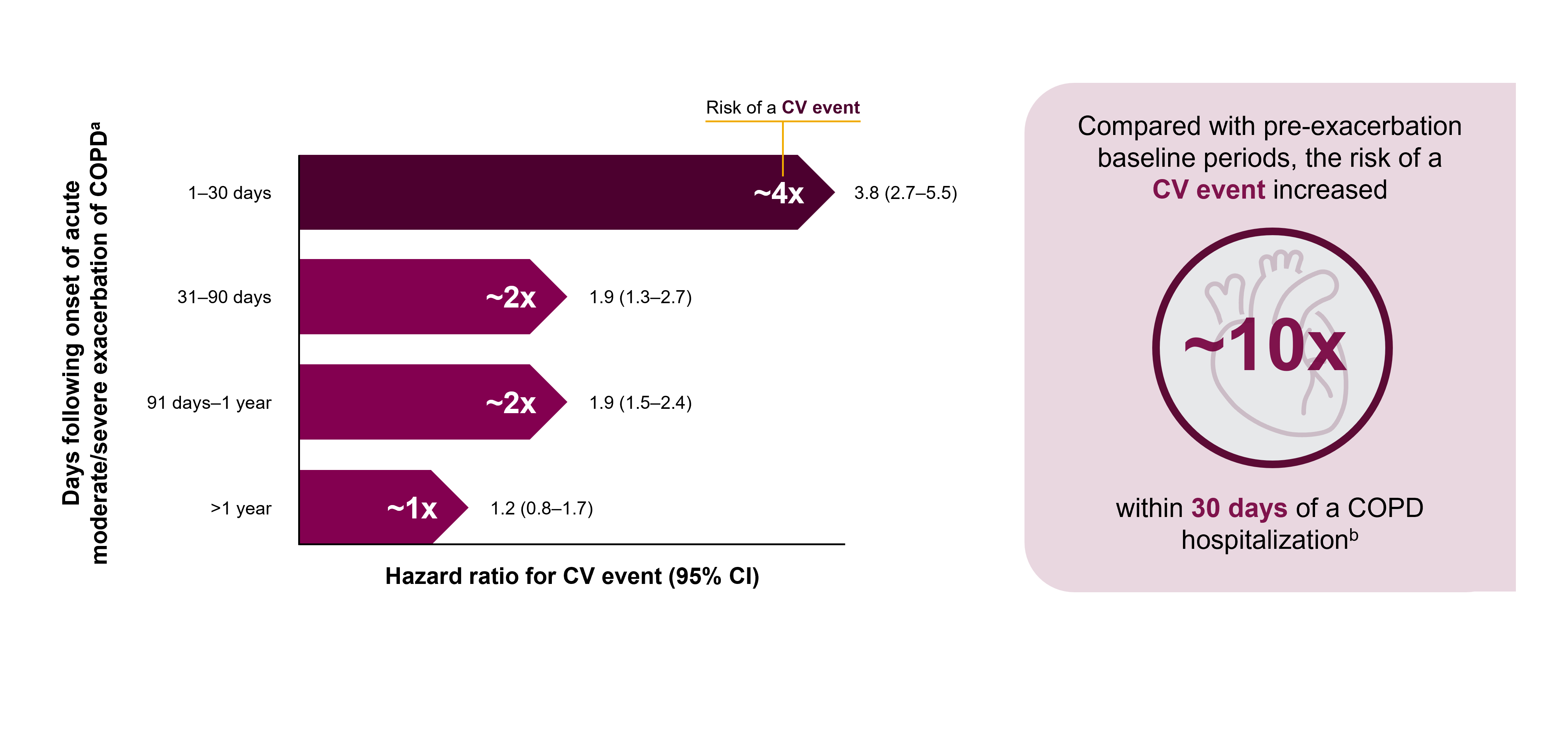
Risk of CV Events in Patients With COPD and Existing or Risk Factors for CVD16
aPost-hoc analysis of the SUMMIT trial (n=16,485) was performed to determine whether the risk for CV events increases after a moderate/severe COPD exacerbation.
bSevere COPD exacerbation.
Risk of All-cause Mortality Was Greatest in the First Month After an Exacerbation
The 30-day risk of all-cause mortality was ~3.4-fold higher following 2nd and 3rd exacerbations compared to those with one or two, respectively.17
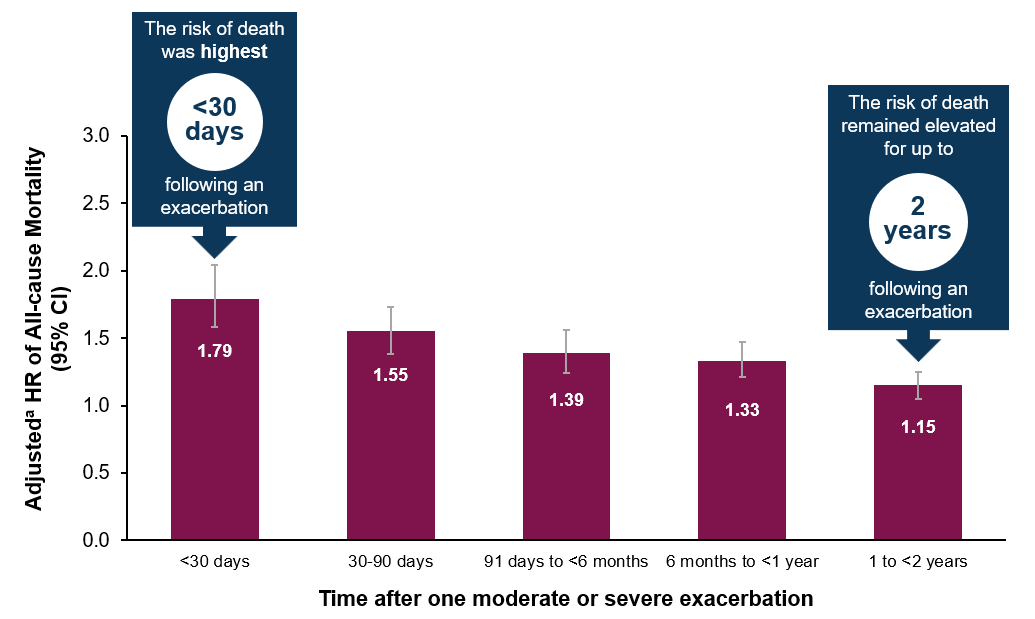
Hazard Ratios of All-Cause Mortality by Duration of Follow-up17
Retrospective cohort study of just over 395,000 patients with newly diagnosed COPD between January 1, 2012 and December 31, 2019 using the US Healthcare Integrated Research Database to estimate the incidence of acute CV events and all-cause mortality following an exacerbation compared to the incidence in the absence of an exacerbation. Patients were excluded if they had an acute CV event within 6 months of their index date.
aAdjusted for baseline demographics, comorbidities, and medications.
COPD-driven Cardiopulmonary Risk

Cardiopulmonary Risk
- COPD exacerbation
- MI
- Stroke
- HF decompensation
- Arrhythmia
- Death owing to any of these events
Potential Core Mechanisms of COPD-driven Cardiopulmonary Risk
EXACERBATIONS can be a...
- Precursor of further pulmonary and cardiac events13,18-20
- Catalyst for inflammation, hyperinflation, and hypoxemia18,19,21,22
Inflammation
Hyperinflation
Hypoxemia

Featured Resource
Learn From Our Medical Team
Time to Raise the Standards of Care for Patients With COPD
COPD Pathobiology
COPD is characterized by Chronic Inflammation, Airway Remodeling and Mucus Dysfunction25-28

Inflammation

Mucus Dysfunction

IL-33 in COPD
Inflammation in COPD
In the majority of patients with COPD, inflammation is predominantly non-eosinophilic. While a subset of patients can exhibit eosinophilic inflammation, the immunology of inflammation in COPD is complex.26,31,32
Explore the diagrams below to learn more about inflammation in COPD
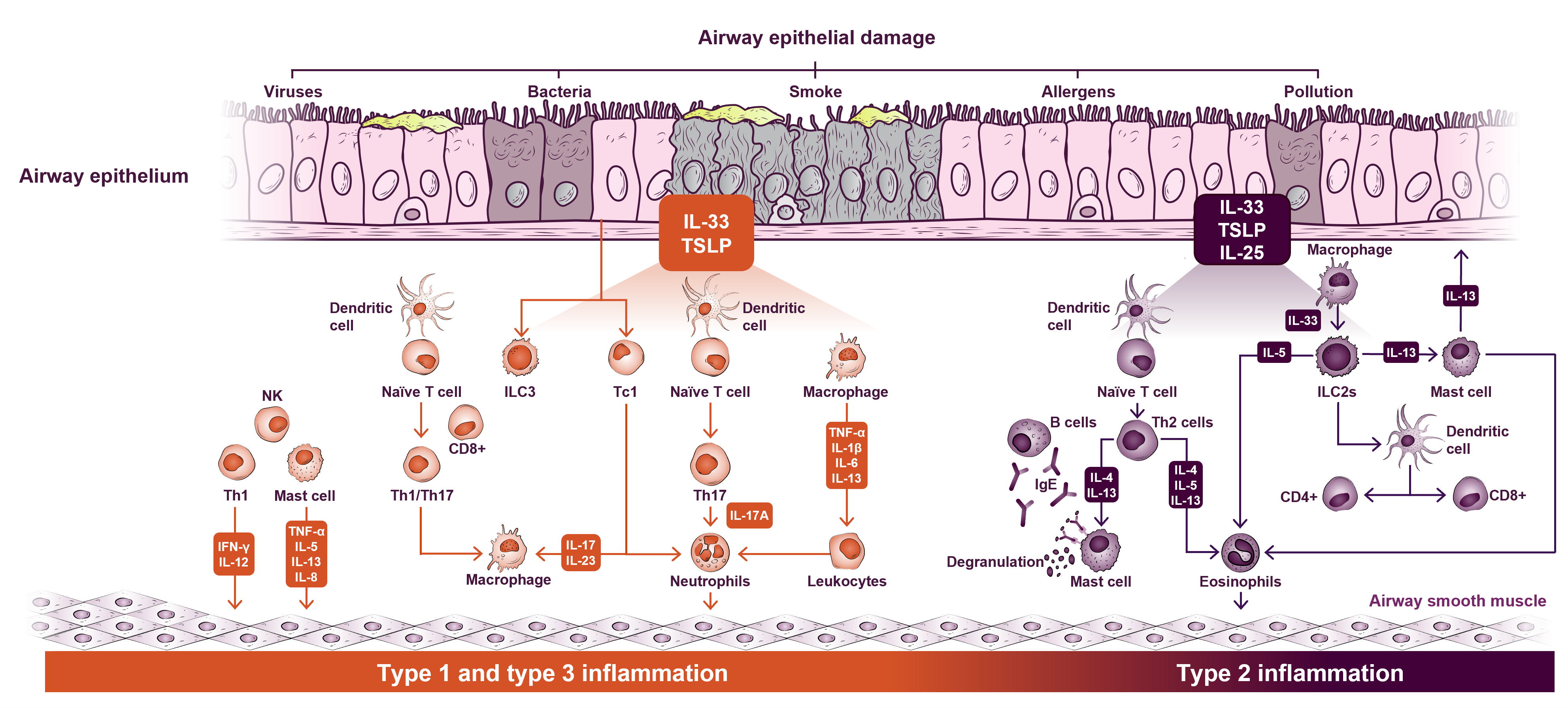
Multiple Inflammatory Processes Contribute to the Heterogeneous Pathology of COPD26,31
Figure adapted from Calderon AA, et al. Eur Respir Rev. 2023;32(167):220144 and Brightling C, Greening N. Eur Respir J. 2019;54(2):1900651.
Please note that the proposed inflammatory pathways in COPD shown here have been simplified for illustration purposes only and do not align with specific disease pathology or clinical manifestations, nor do they imply clinical benefit or relevance.
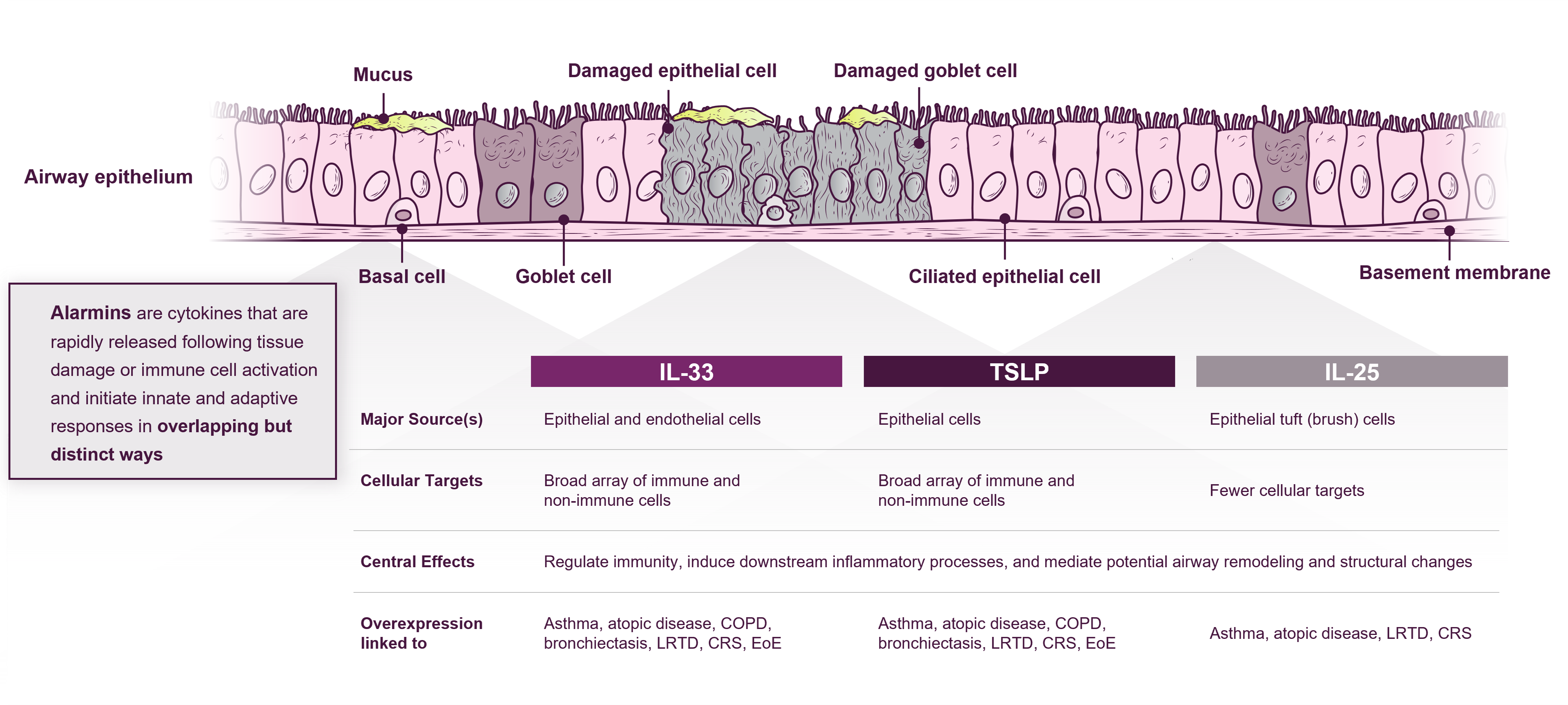
Alarmins are Key Drivers of Inflammatory Responses in Disease Pathogenesis33-42
Figure adapted from Calderon AA, et al. Eur Respir Rev. 2023;32(167):220144.
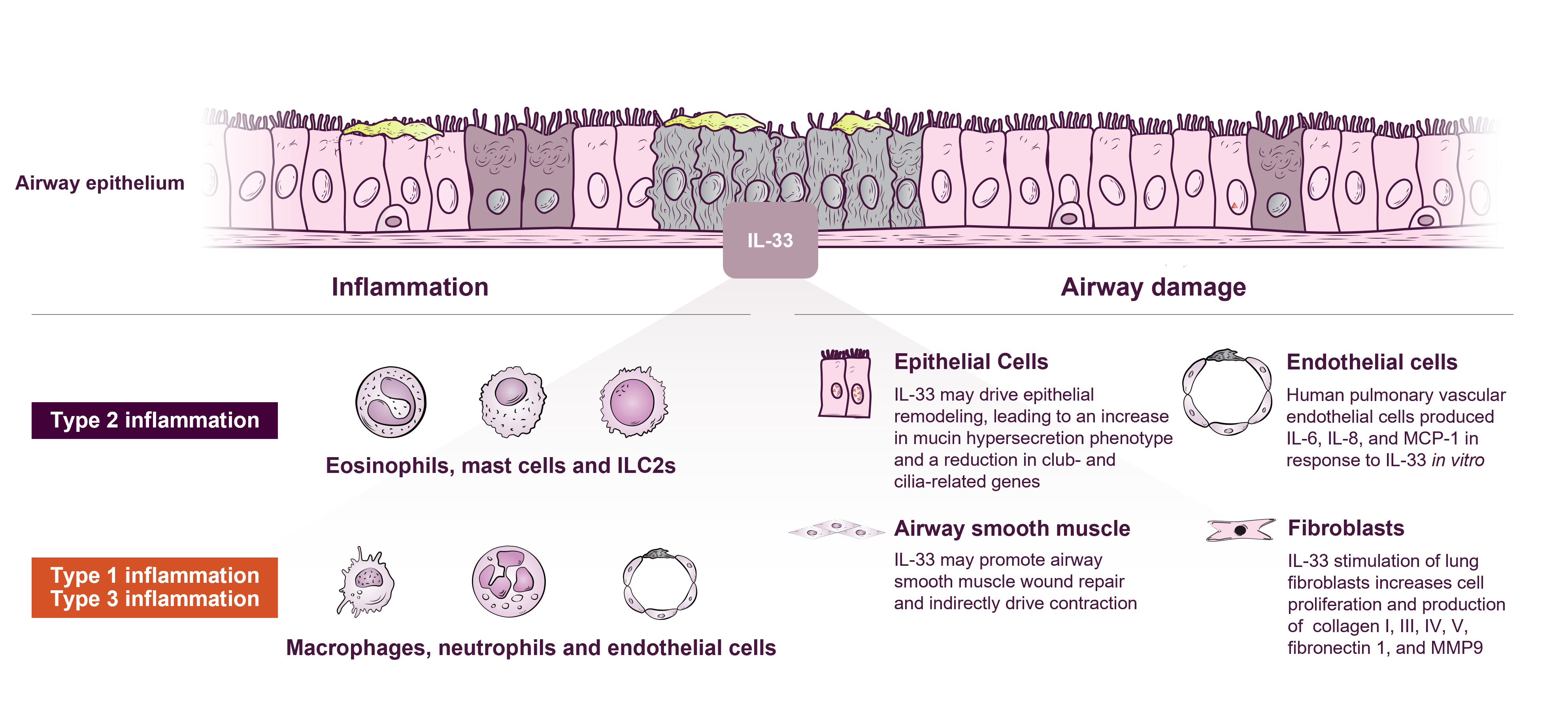
IL-33 May Drive COPD Pathophysiology by Affecting a Variety of Downstream Cell Types26,28,31-33,39,43-47
Figure adapted from Calderon AA, et al. Eur Respir Rev. 2023;32(167):220144.
-
item
-
item
-
item

Featured Resource
Learn From Our Medical Team
Mucus Dysfunction in COPD
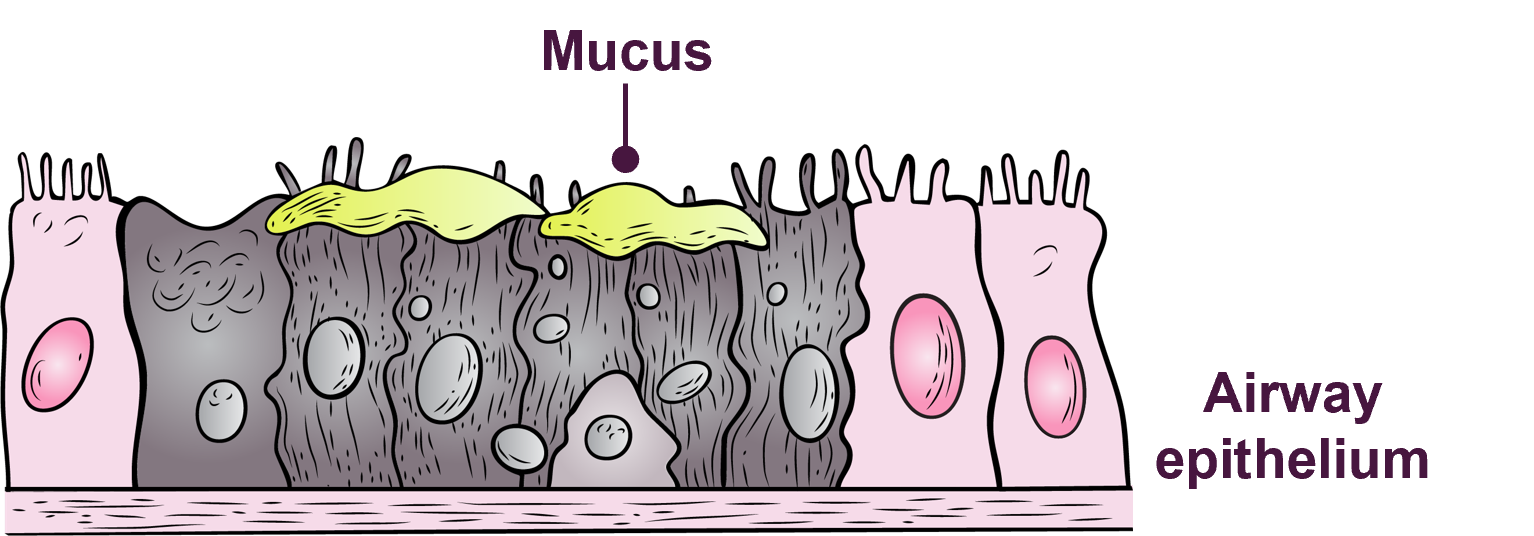
Click each tab below to explore the 3 elements of mucus dysfunction
Mucus Hypersecretion is associated with
- COPD symptoms such as productive cough and dyspnea48,49
- Disrupted basal cell differentiation50
- Impaired ciliary clearance, infection, and microbial growth51
Impaired Airway Clearance
- Repeated epithelial injury, particularly from cigarette smoke, can result in impaired ciliary function50,52
- Defective mucociliary clearance allows mucus to accumulate in the airways and may form luminal plugs, contributing to airflow obstruction52
Mucus Plugging
- Mucus plugs have been observed in up to 67% of CT scans of patients with COPD and increase in prevalence with GOLD staging53-55
- Mucus plug formation may persist in patients with COPD over a 5-year period54
- Viscous mucus obstructs the airways and causes airway occlusion55,56
- High mucus plug scores are associated with accelerated lung function decline and increased all-cause mortality54,57
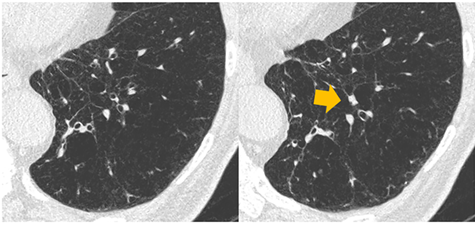
Representative CT image of a patient with COPD who showed a mucus plug in the airway58
Image from Computed tomography mucus plugs and airway tree structure in patients with chronic obstructive pulmonary disease: associations with airflow limitation, health-related independence and mortality by Tanabe N, et al. Respirology. 2024;29:951-961.
Licensed under CC BY 4.0 (https://creativecommons.org/licenses/by/4.0/)
Mucus Hypersecretion
Impaired Airway Clearance
Mucus Plugging
Mucus Hypersecretion is associated with
- COPD symptoms such as productive cough and dyspnea48,49
- Disrupted basal cell differentiation50
- Impaired ciliary clearance, infection, and microbial growth51
Impaired Airway Clearance
- Repeated epithelial injury, particularly from cigarette smoke, can result in impaired ciliary function50,52
- Defective mucociliary clearance allows mucus to accumulate in the airways and may form luminal plugs, contributing to airflow obstruction52
Mucus Plugging
- Mucus plugs have been observed in up to 67% of CT scans of patients with COPD and increase in prevalence with GOLD staging53-55
- Mucus plug formation may persist in patients with COPD over a 5-year period54
- Viscous mucus obstructs the airways and causes airway occlusion55,56
- High mucus plug scores are associated with accelerated lung function decline and increased all-cause mortality54,57
-
Representative CT image of a patient with COPD who showed a mucus plug in the airway58
Image from Computed tomography mucus plugs and airway tree structure in patients with chronic obstructive pulmonary disease: associations with airflow limitation, health-related independence and mortality by Tanabe N, et al. Respirology. 2024;29:951-961.
Licensed under CC BY 4.0 (https://creativecommons.org/licenses/by/4.0/)

Featured Resource
Mucus Dysfunction in COPD Infographic
IL-33 in COPD
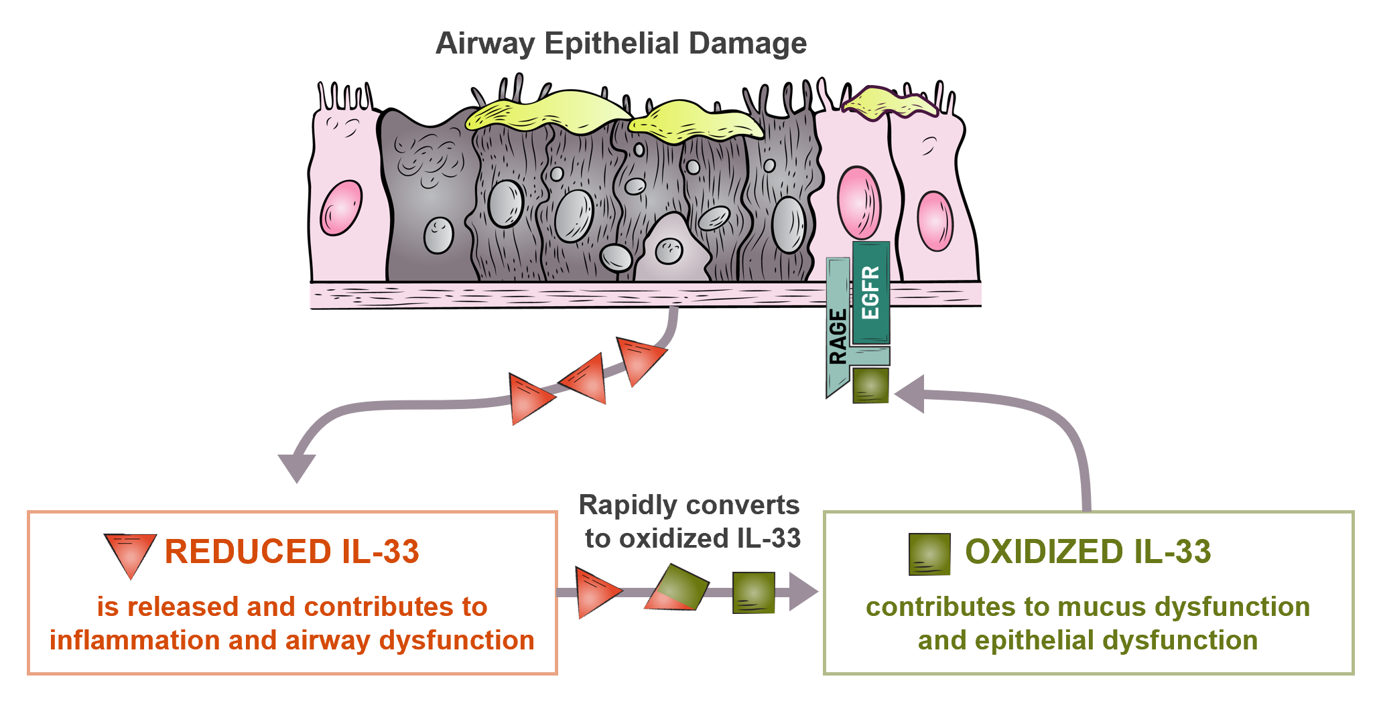
There are two forms of IL‑33 which contribute to a cycle of downstream inflammation, mucus dysfunction, and impaired epithelial repair.28,34,59
- Increased IL-33 expression has been observed in both sputum and serum samples from patients with COPD relative to healthy controls60
- Increased levels of circulating IL-33 in patients with COPD were found to be associated with chronic bronchitis and COPD exacerbations61,62
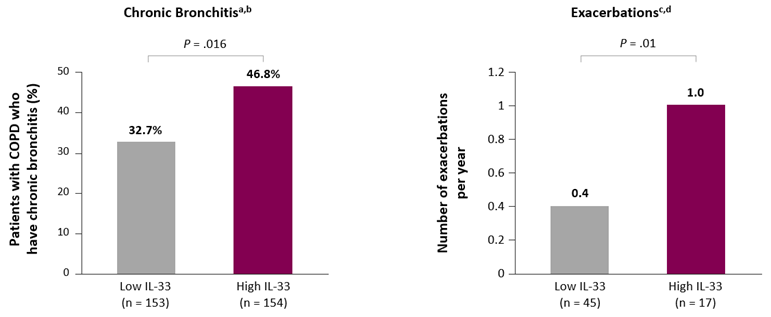
IL-33 and Associated Features in COPD61,62
aThis study defined chronic bronchitis as phlegm for ≥3 months per year.61
bIn this analysis of 307 patients from the COPD Korean Obstructive Lung Disease cohort, IL-33 levels above the median IL-33 level of the cohort were defined as high, with all values below the median defined as low. At baseline, the median IL-33 level was 11.9 pg/mL (interquartile range 7.9-30.6).61
cIn this analysis of 62 patients with COPD based in Korea, levels of IL-33 in the upper quartile of the cohort were defined as high, with all levels below this value defined as low. Patients were prospectively followed for 1 year and monitored for exacerbation.62
dNumber of exacerbations per year (±SD): Low IL-33 group = 0.40 (±0.62) and High IL-33 group = 1.00 (±1.16)62
Featured Resource
Interested to Learn Even More about IL-33?
Scientific Resources
This page offers scientific resources related to COPD, including videos, slide decks, and infographics. Our AstraZeneca Medical team has created this content as an information service for healthcare professionals and is not intended for patient education. Updates are made as new content becomes available.
Featured Resources
Infographic
Transition of Care Discharge Checklist
Slide Deck
Overview of COPD and the GOLD 2026 Report
Website
dualCOPDburden.com
Slide Decks

PRIMUS Study Overview Slide Deck

COPD Pathophysiology and Management of Disease-GOLD 2026
Infographics

GOLD 2026 Quick Reference

Achieving Health Equity Through Race-Neutral Spirometry

Transition of Care Discharge Checklist

Mucus Dysfunction in COPD

The Dual Role of IL-33 in COPD
Videos

An Animated Exploration of the PRIMUS Study

Exploring the Science Behind IL-33

COPD Immunology Explained

The Dual Role of IL-33 in COPD

COPD-Driven Cardiopulmonary Risk
Publications
This section provides links to AstraZeneca publications that present data and real-world evidence from studies on COPD. Each link directs to the publisher's website. Your ability to access the full text of these publications at these links may be dependent on whether you or your institution subscribes to this content.

Cardiopulmonary Risk Review Paper

PRIMUS

CONQUEST 1

CONQUEST 2

EXACOS-CV US Study
Websites

goldcopd.org

COPDfoundation.org

dualcopdburden.com